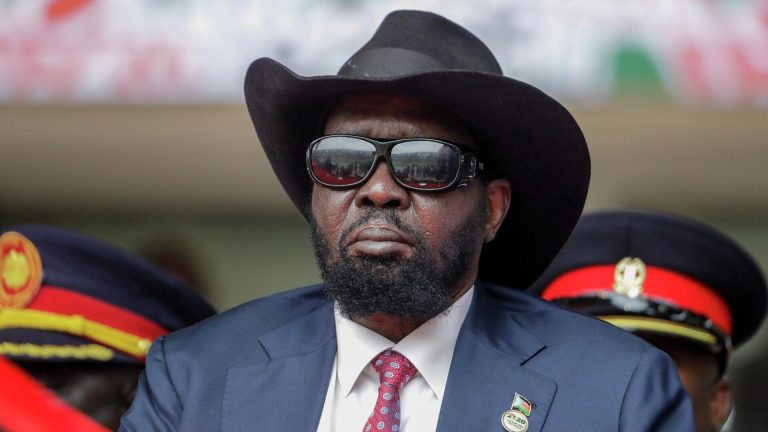
South Sudan has entered a new political chapter after President Salva Kiir Mayardit dissolved the country’s transitional government ahead of elections scheduled for December.
Kiir announced the move on Tuesday, ending the transitional unity government established under the 2018 peace agreement that brought together rival political forces following years of civil war.
The decree removed the country’s vice-presidents, ministers and local political administrators.
It also dissolved the national legislature, the 10 state governments and their assemblies, as well as authorities in three administrative areas.
Kiir has appointed a caretaker administration to keep government institutions operating during the electoral period. He will remain president until a newly elected president is sworn into office.
The move follows amendments to the National Elections Act that removed requirements for South Sudan to complete a permanent constitution and national census before holding elections.
The election is scheduled for 22 December 2026 and would be the first national election since South Sudan gained independence from Sudan in 2011. Previous elections were postponed twice.
The political transition remains closely watched because Kiir’s main rival, First Vice-President Riek Machar, has been under house arrest since 2025 and is facing charges including treason and murder, which he denies.
Rights groups have called for political and civic space during the election period, while opposition figures have questioned aspects of the electoral process.
South Sudan now faces the challenge of moving from a power-sharing transitional government to an elected administration after years of political instability.
About the Author